

News
Industry-University-Research Cooperation System Speeds Up Systematic Construction

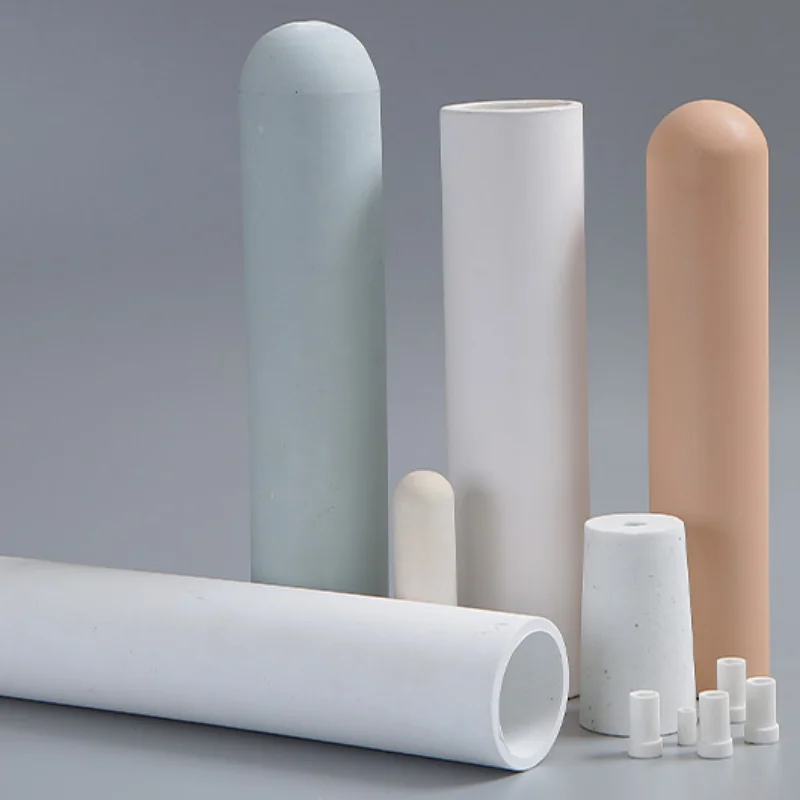
Cooperative R&D mechanisms linking industrial manufacturers, university material laboratories and professional research academies develop rapidly across domestic inorganic nonmetal material industry, forming complete closed-loop systems covering basic theoretical exploration, small batch trial production and large-scale industrial transformation of technical outcomes. Numerous long-term strategic cooperation projects are launched between material specialty colleges and core industrial parks, with university research teams responsible for basic performance mechanism analysis of quartz and ceramic base materials while enterprise technical departments take charge of craft optimization and mass production adaptation of lab-developed formulas. Shared experimental platforms co-built by multiple sides are equipped with complete performance testing instruments, allowing small and medium-sized factories without independent large-scale lab capability to complete raw material composition detection and finished product performance verification at reasonable service cost, lowering the threshold for small industrial participants to carry out product upgrading and technical reform.
Continuous deepening of industry-university-research cooperation injects lasting innovation vitality into the whole sector’s long-term development. New material formulas and improved processing crafts verified via joint research keep emerging every year, many of which fill domestic technical blank in certain refined material subdivision fields and reduce domestic downstream industries’ dependence on imported high-performance inorganic components. Research results derived from joint projects focus on practical industrial application value instead of staying confined to theoretical papers, most optimized technologies can be quickly put into workshop production after short adaptive transformation. Meanwhile, regular talent exchange programs including enterprise engineer stationing in campus labs and university tutor field guidance in production workshops cultivate batches of compound technical personnel familiar with both theoretical knowledge and on-site processing reality, solving the long-existing industrial talent shortage problem effectively.