

News
The Spark of Reliability: Why Ceramic Igniters Are the Modern Standard for Heating

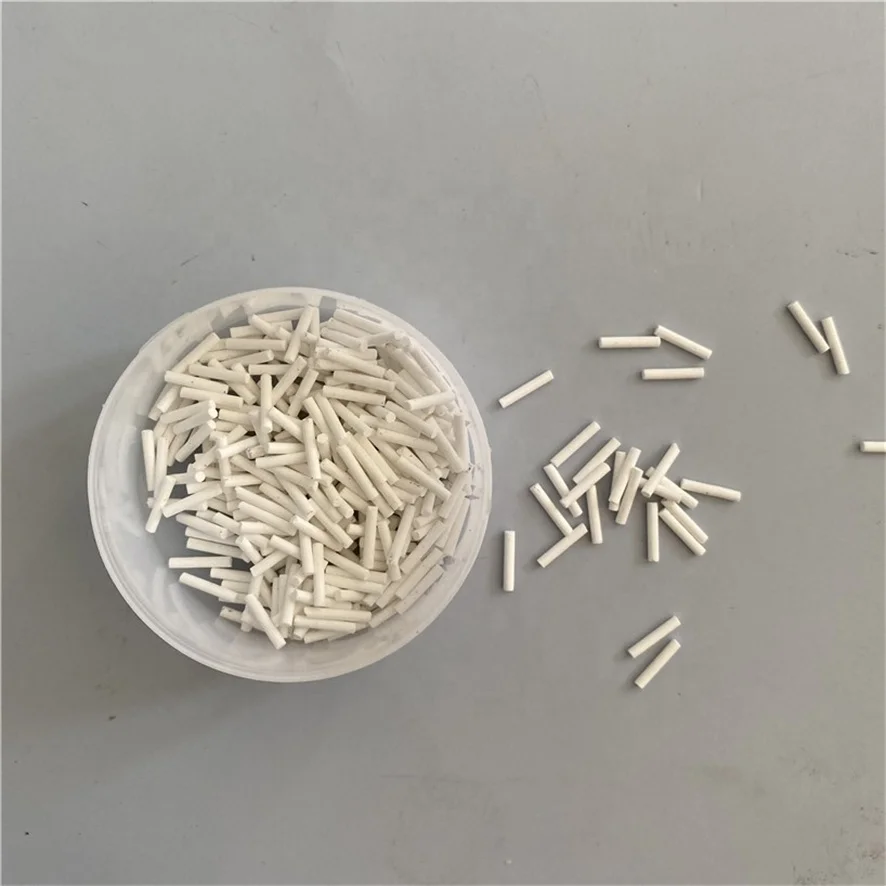
When you turn on your gas stove, fire up your backyard grill, or feel your home furnace kick in during a cold winter night, you rarely think about the tiny component responsible for making that heat happen. But behind the scenes, a critical piece of technology is working to ensure that ignition is safe, fast, and completely effortless.
For decades, pilot lights and mechanical sparkers ruled the heating industry. Today, however, the ceramic igniter has taken over as the gold standard for residential, commercial, and industrial heating applications.
Whether you are looking to replace a faulty part in your home appliance or just curious about how modern heating works, here is a deep dive into why ceramic igniters are the unsung heroes of modern thermal efficiency.
What is a Ceramic Igniter and How Does It Work?
At its core, a ceramic igniter—often referred to as a Hot Surface Igniter (HSI) or a ceramic glow plug—is an electronic component that uses electricity to generate intense heat rather than relying on an open flame or an electric spark.
The science behind it is elegant and highly effective:
- The Element: The core of the igniter is made from a durable, conductive material like Silicon Carbide (SiC) or Silicon Nitride ($Si_3N_4$).
- The Insulation: This heating element is encased in, or supported by, a high-purity ceramic sheath that provides exceptional electrical insulation and heat resistance.
- The Glow: When an electric current passes through the element, its natural resistance causes it to heat up rapidly, reaching temperatures well over $1000^\circ\text{C}$ ($1832^\circ\text{F}$) in a matter of seconds. Once it reaches this glowing-hot state, it safely ignites the gas or fuel passing over it.
3 Major Advantages of Ceramic Igniters
So, why have appliance manufacturers completely shifted away from old-school ignition methods in favor of ceramic technology? It comes down to three massive advantages:
1. Unmatched Energy Efficiency
Older gas appliances relied on a “standing pilot light”—a small, continuous flame that burned 24/7 just waiting to ignite the main burner. This process wasted a massive amount of gas over the course of a year. Ceramic igniters utilize intermittent ignition, meaning they only draw power for a few brief seconds when you actively need heat. The moment the appliance fires up, the igniter shuts off, slashing your utility bills.
2. Maximum Safety and Reliability
Spark igniters (like the clicking ones on older grills) can easily become misaligned, coated in grease, or weakened by moisture, failing to light the gas. When gas flows without igniting immediately, it creates a dangerous buildup. Ceramic igniters provide a massive, consistently hot surface area. This ensures instantaneous ignition, virtually eliminating the risk of unburned gas accumulation.
3. Incredible Thermal and Chemical Durability
The kitchen and furnace environments are brutal. Igniters are constantly subjected to extreme thermal shock (going from room temperature to scorching hot in seconds) and corrosive combustion byproducts. Because premium ceramics are chemically inert and have a very low thermal expansion rate, they do not degrade, rust, or warp under these harsh conditions.
Silicon Carbide (SiC) vs. Silicon Nitride ($Si_3N_4$)
If you are shopping for a replacement ceramic igniter, you will likely encounter two main types of ceramic materials. Understanding the difference can save you time and money:
| Feature | Silicon Carbide (SiC) | Silicon Nitride (Si3N4) |
| Durability | Fragile (Easy to crack if bumped) | Extremely Rugged (Resistant to impact) |
| Heating Speed | Fast (approx. 4–7 seconds) | Ultra-Fast (approx. 2–3 seconds) |
| Lifespan | Standard (approx. 3–5 years) | Extended (Often lasts 10+ years) |
| Price Point | Budget-friendly upfront | Higher initial investment |
While Silicon Carbide igniters have been the industry standard for decades due to their low cost, many modern premium furnaces and boilers are upgrading to Silicon Nitride. Silicon Nitride is physically tougher, meaning it won’t break if a technician accidentally bumps it during routine maintenance.
Maintenance Tips: How to Handle a Ceramic Igniter
If you are a DIY enthusiast replacing a ceramic igniter in your stove or furnace, there is one golden rule you must follow: Never touch the ceramic element with your bare hands.
Your skin naturally carries oils. If you touch the igniter element, those oils leave a residue behind. When the igniter heats up to over $1000^\circ\text{C}$, the oil boils, creating a localized “hot spot” on the ceramic surface. This uneven thermal stress causes the ceramic to crack and fail prematurely. Always wear clean gloves or handle the igniter strictly by its plastic or metal mounting base.
Final Thoughts
The shift toward ceramic igniters is a perfect example of how advanced material science silently improves our daily lives. By replacing wasteful flames and unreliable sparks with high-purity, rugged ceramics, appliance manufacturers have given us heating systems that are safer, cheaper to run, and built to last.
The next time your heat clicks on instantly during a freezing winter day, you can thank the brilliant, glowing science of advanced ceramics!