

News
Alumina Ceramic Coating: The High-Performance Shield for Modern Engineering

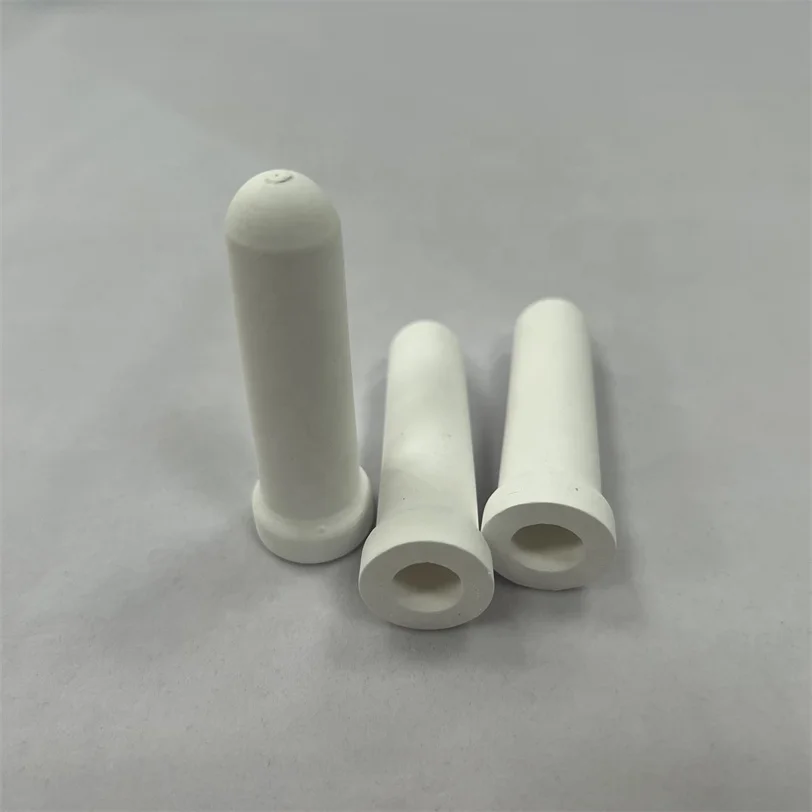
In the relentless world of industrial manufacturing and heavy-duty engineering, surfaces are the first line of defense against failure. Whether it is a turbine blade spinning at high speeds or a pump housing handling abrasive chemicals, the underlying material is often subjected to conditions that lead to rapid degradation. This is where alumina ceramic coating (Aluminum Oxide, $Al_2O_3$) steps in as a game-changing solution.
By applying a thin yet incredibly dense layer of high-purity alumina to a metal substrate, engineers can combine the structural toughness of metal with the extreme surface properties of technical ceramics. This creates a “super-surface” capable of withstanding environments that would otherwise obliterate standard industrial components.
The Science Behind the Shield: Why Alumina?
Alumina ceramic is favored as a coating material due to its remarkable physical and chemical stability. When applied via thermal spray or other advanced deposition methods, it forms a protective barrier with several key attributes:
- Extreme Hardness and Wear Resistance: Alumina ranks just below diamond on the Mohs scale. As a coating, it provides a surface that is virtually immune to scratching, erosion, and abrasive wear.
- Superior Thermal Protection: It can withstand operating temperatures exceeding $1500°C$ ($2732°F$). The coating acts as a thermal barrier, protecting the metal substrate from melting or losing structural integrity in high-heat zones.
- Unrivaled Corrosion Resistance: Unlike metals, alumina is chemically inert and does not oxidize. It provides a rust-proof shield that resists aggressive acids, alkalis, and salts.
- High Dielectric Strength: Alumina is a natural electrical insulator. A ceramic coating can prevent electrical arcing and provide critical insulation in high-voltage environments.
Key Applications of Alumina Ceramic Coating
The ability to “skin” a metal part with a ceramic layer allows for widespread use across the most demanding sectors of modern industry:
1. Aerospace and Power Generation
Turbine engines operate at temperatures that would weaken even the strongest alloys. Alumina coatings serve as Thermal Barrier Coatings (TBCs), allowing engines to run hotter and more efficiently while extending the lifespan of critical components like blades and vanes.
2. Chemical and Petrochemical Processing
Pumps, valves, and seals in chemical plants are constantly attacked by corrosive fluids. An alumina ceramic coating ensures these parts remain chemically stable and rust-free, drastically reducing the frequency of costly maintenance shutdowns.
3. Textile and Paper Manufacturing
In high-speed production lines, threads and paper can be surprisingly abrasive. Guides and rollers coated with alumina resist the “grooving” that occurs over time, ensuring a smooth production process and preventing damage to the delicate final products.
4. Semiconductor and Electronics
Alumina coatings are used in vacuum chambers and wafer processing tools to prevent contamination. Because of its high purity, the coating ensures that no metallic particles leach into the sensitive electronic components during manufacturing.
How It Is Applied: Precision at Scale
The most common method for applying an alumina ceramic coating is Plasma Spraying. This process involves:
- Injecting high-purity alumina powder into a plasma flame.
- Melting the particles instantly at temperatures reaching $10,000°C$ or more.
- Accelerating the molten droplets toward the substrate, where they flatten and solidify into a dense, layered coating.
Other methods, such as chemical vapor deposition (CVD) or physical vapor deposition (PVD), are used when ultra-thin, high-precision layers are required for micro-components.
Choosing the Right Coating Grade
The effectiveness of the shield depends on the purity of the alumina used in the coating process.
| Purity Level | Key Benefit | Typical Application |
| 95% – 97% Alumina | Excellent bond strength and impact resistance. | General wear parts, agricultural machinery, and pump seals. |
| 99% – 99.5% Alumina | Higher thermal resistance and dielectric strength. | Thermal barriers for engines and high-voltage insulators. |
| 99.7%+ Alumina | Maximum chemical purity and corrosion resistance. | Semiconductor processing and medical device components. |
Maintenance and Longevity
While alumina ceramic coatings are incredibly durable, they are brittle compared to the metal they protect. To ensure they last:
- Avoid Mechanical Impact: While the surface is hard, a sharp, heavy blow can cause the coating to chip or delaminate from the substrate.
- Manage Thermal Cycles: Rapid, extreme temperature changes (thermal shock) can cause stress at the bond line between the ceramic and the metal. Gradual heating and cooling are always recommended.
The Final Verdict
In an era where efficiency and durability are non-negotiable, alumina ceramic coating provides a vital bridge between the strength of metals and the resilience of ceramics. It is an investment in reliability—reducing downtime, preventing corrosion, and allowing machines to work harder in environments that were once considered impossible.
If you are looking to extend the life of your equipment and protect your most critical assets, alumina is the invisible shield that gets the job done.