

News
Can You Put Hot Plates on Quartz? The Heated Truth About Quartz Countertops

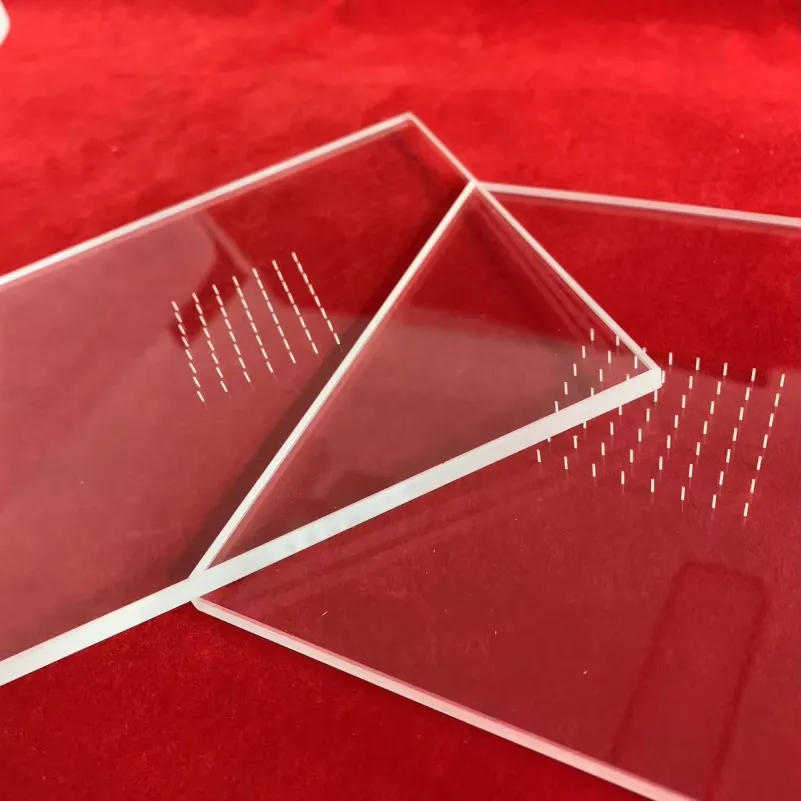
You’ve just completed your dream kitchen renovation. The cabinets are pristine, the fixtures gleam, and your beautiful new quartz countertops look absolutely stunning. You’re hosting your first dinner party, carrying a piping hot plate of appetizers or a steaming serving dish over to the island, and a sudden question flashes through your mind:
“Can you put hot plates on quartz countertops, or am I about to ruin my expensive investment?”
It is one of the most common questions homeowners ask after upgrading their kitchen surfaces. The short answer is no, you should never place hot plates, pots, or pans directly onto quartz.
While quartz is incredibly durable, scratch-resistant, and non-porous, heat is its ultimate Achilles’ heel. Let’s look at the science behind why quartz reacts poorly to high temperatures and how you can protect your beautiful countertops from irreversible thermal damage.
The Science: Why Quartz Isn’t 100% Heatproof
To understand why hot plates are a threat, we need to understand exactly what a quartz countertop is made of.
Many people assume quartz countertops are sliced straight out of a quarry like granite or marble. In reality, quartz countertops are an engineered stone product. They are typically composed of:
- 90-93% Natural Quartz Crystals: One of the hardest minerals on Earth, which provides incredible strength and scratch resistance.
- 7-10% Polymer Resins and Pigments: The structural “glue” and coloration that binds the crystals together, making the surface entirely non-porous and uniform.
The problem isn’t the natural quartz mineral; quartz crystals can withstand massive heat. The problem is the polymer resin binder. These resins are essentially plastics, and plastics melt, discolor, and warp when exposed to extreme temperatures.
What Happens When You Put Hot Items on Quartz?
If you routinely set hot plates, sizzling pans, or slow cookers directly on a quartz surface, you run the risk of causing two types of serious damage: thermal shock and resin burning.
1. Resin Burning and Discoloration (Singeing)
When an object exceeding $150^\circ\text{F}$ ($65^\circ\text{C}$) touches the surface, it can instantly scorch the resin binders inside the slab. On light-colored countertops, this manifests as an unsightly, permanent yellow or brown stain that perfectly matches the shape of the hot dish. On dark quartz, it can leave a dull, cloudy white ring.
2. Thermal Shock and Cracking
Quartz expands slightly when heated. If you place a scorching hot serving plate onto a cold quartz countertop, the sudden, localized temperature spike causes rapid expansion in just one tiny area. This creates severe physical stress within the slab, which can result in a sudden, audible hairline crack running straight through your countertop.
The Reality Check: Unlike a stain or a minor scratch, a thermal shock crack or a deeply scorched resin burn cannot be easily polished out. In most cases, repairing severe heat damage requires replacing the entire section of the countertop.
Decoding “Hot Plates”: What is Safe and What Isn’t?
Not all “hot plates” carry the same level of danger, but practicing universal caution is the safest habit. Here is a quick reference guide to common kitchen items:
| Item | Risk Level | Direct Contact on Quartz? |
| Warm Dinner Plates (Microwaved/Warmed) | Low | Generally safe if you can hold the plate comfortably with bare hands. However, avoid sliding them to prevent micro-abrasions. |
| Hot Serving Platters (Fresh out of the oven) | High | Absolutely Not. These easily exceed the threshold of resin damage. |
| Cast Iron Skillets & Baking Sheets | Extreme | Absolutely Not. Can instantly crack or char the surface. |
| Small Appliances (Air Fryers, Slow Cookers) | High | Absolutely Not. The constant, sustained downward heat radiation will slowly scorch the quartz over hours. |
4 Easy Ways to Protect Your Quartz Investment
Protecting your countertops from heat damage doesn’t mean you can’t enjoy a functional, busy kitchen. It simply requires establishing a few effortless habits:
- Embrace the Trivet: Keep a stylish selection of wooden, silicone, or wrought-iron trivets scattered around your cooking and dining areas. Make it a rule to always place a trivet under hot items.
- Use Thick Hot Pads: For large serving dishes or warm dinner plates, a simple decorative cloth hot pad or a cork mat acts as a perfect thermal barrier.
- Elevate Countertop Appliances: If you love using a crockpot, air fryer, or toaster oven, place a large wood cutting board or a heat-resistant silicone mat underneath the appliance to catch the radiating base heat.
- Educate Guests and Family: The biggest risk often comes from well-meaning guests helping clear the table or children grabbing a quick snack. Make sure everyone in the household knows the “no hot plates on the quartz” rule.
Final Thoughts
Quartz is arguably the best all-around countertop material on the market today. It resists stains from red wine, wipes clean with basic soap, and never requires the annual sealing that natural stone demands.
However, it is not an invincible material. By understanding that heat can permanently damage the resins keeping your countertop together, you can easily alter your kitchen habits. Treat your quartz with just a tiny bit of respect, always reach for a trivet before setting down a hot plate, and your countertops will look flawlessly luxurious for decades to come.