

News
Alumina Ceramic Insulators: The High-Performance Backbone of Modern Power and Industry

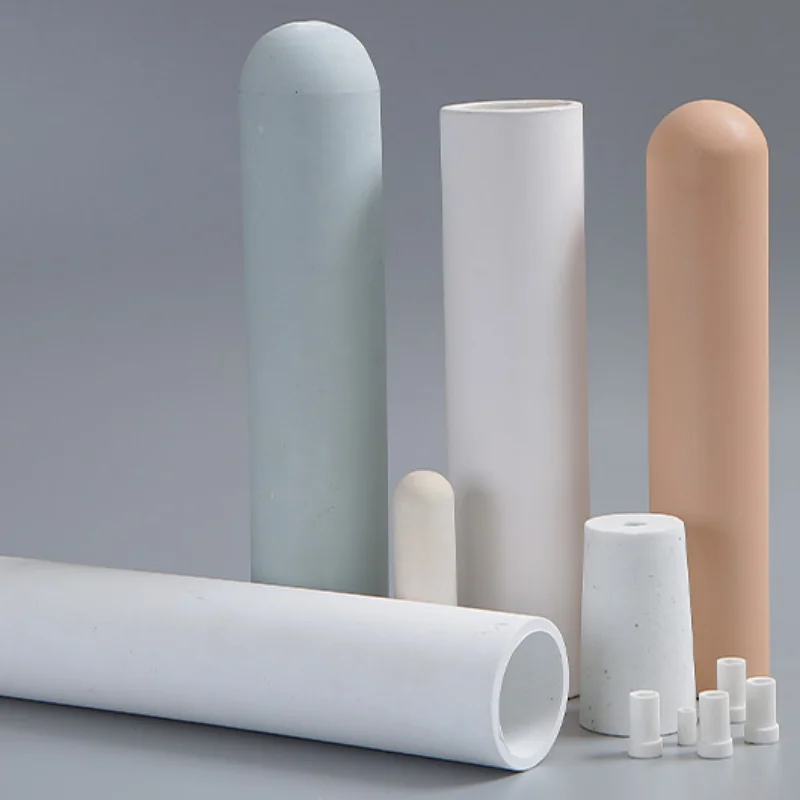
In our hyper-connected world, electricity is the lifeblood of nearly every piece of technology we own. Yet, for electricity to be useful, it must be meticulously controlled, channeled, and—most importantly—contained. This is where the alumina ceramic insulator steps onto the stage.
While metal conductors like copper and aluminum get all the glory for carrying current, it is the alumina insulator that ensures that power stays where it belongs. From the spark plugs in your car to the massive power grids spanning continents, alumina ceramic (Aluminum Oxide, $Al_2O_3$) is the material of choice for demanding electrical insulation.
What Makes Alumina the Ideal Insulator?
Not all ceramics are created equal. Alumina ceramic stands out because it possesses a rare combination of physical and chemical properties that allow it to perform under conditions that would destroy other materials.
1. Exceptional Dielectric Strength
The primary job of an insulator is to resist the flow of electric current. Alumina ceramic has an incredibly high dielectric strength, meaning it can withstand high voltages without breaking down or allowing electricity to “leak” through. This makes it essential for high-voltage power transmission and sensitive electronic components alike.
2. Extreme Thermal Stability
Electrical systems generate heat, and high-voltage environments can reach scorching temperatures. Alumina can withstand continuous operating temperatures often exceeding $1500°C$ ($2732°F$). Unlike plastics or low-grade ceramics, alumina won’t warp, melt, or lose its insulating properties when the heat turns up.
3. Chemical and Corrosion Resistance
Industrial environments are often filled with moisture, salt, acids, and other corrosive agents. Alumina is chemically inert, meaning it does not react with these substances. It will not rust, oxidize, or degrade over decades of exposure to the elements, ensuring long-term reliability for outdoor infrastructure.
4. High Mechanical Strength
Insulators are often structural components that must support weight or withstand vibration. Alumina ceramic is one of the hardest materials known to man—ranking a 9 on the Mohs scale. This hardness translates to high compressive strength and excellent wear resistance, allowing it to survive mechanical stress that would shatter more brittle insulators.
Key Applications of Alumina Ceramic Insulators
The versatility of alumina allows it to be shaped into everything from tiny washers to massive structural bushings. Here are the industries that rely on it most:
- Power Generation and Distribution: Used in high-voltage bushings, line insulators, and circuit breakers to prevent grounding and short circuits.
- Automotive Industry: The core component of every spark plug is an alumina ceramic insulator, which must withstand thousands of high-voltage pulses per minute while enduring extreme engine heat.
- Aerospace and Defense: Employed in radar systems, satellite components, and engine sensors where lightweight yet rugged insulation is non-negotiable.
- Semiconductor Manufacturing: Used as substrates and insulating spacers in the machines that build microchips, where high purity and vacuum compatibility are required.
- Medical Equipment: Found in X-ray tubes and laser housings where precise electrical isolation is critical for patient safety and device accuracy.
Purity Matters: Choosing the Right Grade
When sourcing alumina ceramic insulators, the purity of the material (the percentage of $Al_2O_3$) determines its performance limits.
| Alumina Purity | Characteristics | Best Used For |
| 92% – 95% Alumina | Excellent cost-to-performance ratio; good mechanical strength. | General industrial machinery, textile guides, and household appliances. |
| 96% – 99% Alumina | Higher dielectric strength and better thermal conductivity. | Electronic substrates, spark plug cores, and high-heat furnace components. |
| 99.5% – 99.8% Alumina | Maximum chemical resistance and ultra-high temperature tolerance. | Semiconductor processing, medical implants, and high-vacuum laboratory equipment. |
Handling and Maintenance Tips
Despite their incredible hardness, alumina insulators are technically “brittle” compared to metals. They do not bend; they break. To maximize their lifespan:
- Avoid Sharp Impacts: Dropping an alumina insulator or hitting it with a metal tool can cause micro-cracks that may lead to electrical failure later.
- Keep Surfaces Clean: While the material itself is an insulator, a layer of conductive dust, moisture, or grease on the surface can cause “arcing.” Periodic cleaning with appropriate solvents ensures the electrical path remains clear.
- Manage Thermal Shock: While alumina handles high heat well, rapid, extreme temperature swings (like quenching a hot insulator in cold water) can cause cracking.
The Verdict
As we push toward a future of electric vehicles, renewable energy grids, and more powerful electronics, the demand for reliable insulation has never been higher. Alumina ceramic insulators provide the unique blend of thermal, mechanical, and electrical properties needed to meet these challenges head-on.
They are the silent guardians of our electrical world—durable, efficient, and virtually indestructible. If your project demands high-voltage safety and long-term durability in harsh conditions, alumina is the material you can trust.